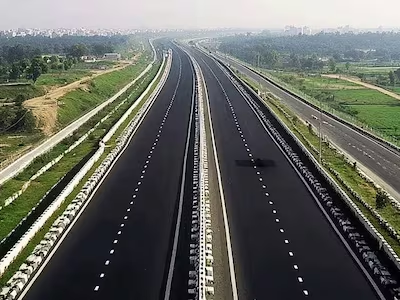
National Highway 44 (NH-44) continues to serve as the lifeline connecting Kashmir with the rest of India, with improvements to the highway network increasingly being viewed as a catalyst for economic transformation across the Valley, embodying what many describe as the spirit of “Naya Kashmir, Badalta Kashmir” — a new and changing Kashmir.
A Vital Artery for the Valley
Stretching across some of the most challenging terrain in the country, NH-44 remains the primary road link between the Kashmir Valley and the rest of India, passing through the Jammu region before connecting onward to the national highway network. For decades, the highway has served as the main channel through which goods, people, and services move in and out of the Valley, making its condition and reliability a matter of significant economic and strategic importance for the region.
In recent years, sustained investment in widening, resurfacing, and improving key stretches of the highway has aimed to reduce travel time and improve safety and reliability along the route, particularly through sections historically prone to landslides, weather-related disruptions, and traffic bottlenecks.
Better Roads, Faster Travel
Improved road conditions along NH-44 translate directly into faster travel times for commuters, traders, and tourists moving between Kashmir and the rest of the country. Reduced journey times not only ease the daily commute for residents but also enhance the overall efficiency of transportation networks that businesses and individuals rely upon for both short and long-distance travel across the region.
For a region where road connectivity has often been vulnerable to seasonal disruptions, including landslides and heavy snowfall, incremental improvements to highway infrastructure are viewed as critical to ensuring more consistent and predictable travel conditions throughout the year.
Boost for Horticulture and Trade
Perhaps most significantly, better connectivity along NH-44 has a direct bearing on the movement of perishable goods, particularly fruits, for which Kashmir is widely renowned. Faster and more reliable road transport reduces spoilage and transit time for fruit growers and traders moving their produce to markets across India, translating into better returns for farmers and a more efficient supply chain for one of the region’s most important economic sectors.
Beyond horticulture, improved highway infrastructure also facilitates the movement of other goods and commodities, supporting local trade and commerce by ensuring smoother and more predictable access to markets both within and outside the Valley.
Strengthening Tourism
Tourism, another cornerstone of Kashmir’s economy, stands to benefit significantly from improved road connectivity. Easier and safer travel along NH-44 makes the Valley more accessible to tourists from across the country, encouraging greater footfall and supporting the broader ecosystem of hospitality, transport, and allied services that depend on a steady flow of visitors.
Better connectivity is also seen as instrumental in opening up newer and previously less-accessible tourist destinations within the region, allowing the benefits of tourism-driven economic activity to reach a wider cross-section of communities along and around the highway corridor.
A Symbol of Changing Kashmir
The continued upgrade of NH-44 is being cited as part of a broader narrative of transformation in Jammu and Kashmir, often expressed through the phrase “Naya Kashmir, Badalta Kashmir.” Supporters of this narrative point to infrastructure improvements, including highway connectivity, as tangible evidence of the region’s evolving economic and developmental trajectory, with each incremental improvement to the highway network seen as opening up new opportunities for residents, traders, and entrepreneurs alike.
Looking Ahead
As work on further improving NH-44 continues, officials and residents alike remain optimistic that sustained investment in the highway’s infrastructure will continue to strengthen Kashmir’s connectivity with the rest of the country, supporting economic growth, easing daily life for residents, and reinforcing the Valley’s position as an increasingly accessible and attractive destination for trade, tourism, and travel.
