The Attack
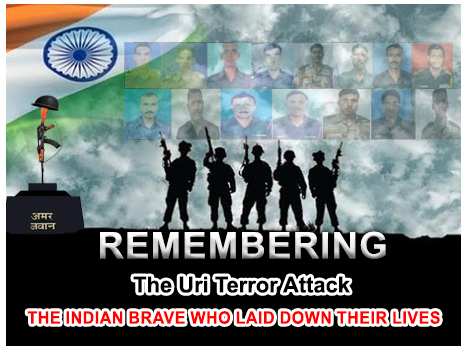
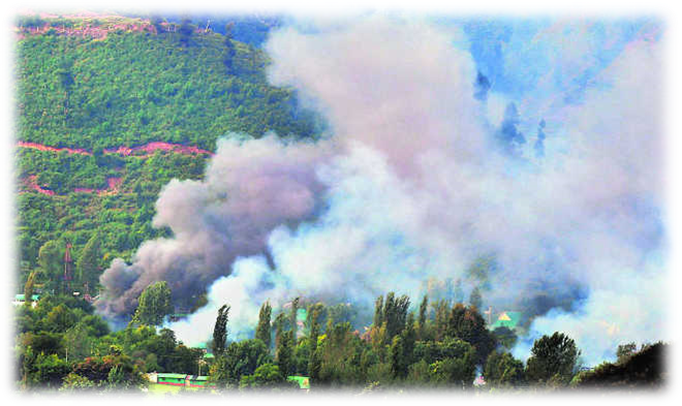
Before dawn on September 18, 2016, Jammu and Kashmir’s Uri sector witnessed one of the deadliest militant strikes on Indian security forces in years. Four heavily armed terrorists breached an Indian Army brigade headquarters near the Line of Control by slipping in through the rear of an infantry battalion’s administrative area. They struck around 4 a.m., lobbing grenades that set fire to the tents and temporary shelters where troops were staying — the camp was unusually crowded at the time because two units were in the middle of a routine changeover.
The resulting gun battle stretched on for more than eight hours before all four attackers were killed. Seventeen soldiers died in the initial assault and fire, with the toll later rising to 19; dozens more were wounded, and helicopters were used to evacuate the injured. The Army’s Northern Command confirmed the operation had eliminated the four terrorists while combing operations continued, and singled out the fact that the administrative base had been packed with troops in tents as the reason casualties were so severe.
Analysts who examined the raid afterward argued it was unlikely to have been a stroke of luck. Each attacker carried an under-barrel grenade launcher and specialised incendiary ammunition — equipment and planning beyond what typical infiltrators carry — suggesting a deliberately orchestrated strike rather than an opportunistic one. Terrorist groups, by themselves, rarely possess the intelligence and logistical support needed to detect, monitor and time a raid this precisely; the calibration on display pointed to a level of planning consistent with state backing. Indian officials attributed the attack to Jaish-e-Mohammed (JeM), a Pakistan-based group that investigators say has long operated with the funding, training and guidance of Pakistan’s military establishment.
The scale of the losses was compounded by circumstance. Uri’s camp was in the midst of a routine troop rotation between two infantry units, which meant far more soldiers than usual were housed in makeshift tents rather than permanent, hardened structures. When the attackers’ grenades set the tents ablaze, the fire itself accounted for a large share of the casualties — a vulnerability the terrorists appear to have specifically identified and exploited. This was not the first time Uri had come under attack. A previous assault on December 6, 2014, during state assembly elections, had killed eight Army personnel including a lieutenant colonel and three policemen, in a gun battle that lasted roughly six hours. The 2016 strike, however, proved far deadlier and came at a moment of heightened tension in the Valley, which had alreadybeen in turmoil for over two months following the killing of militant commander Burhan Wani — unrest that had left dozens dead in street protests and clashes with security forces.
The Fallout
News of the attack prompted an immediate response from New Delhi. Home Minister Rajnath Singh cancelled planned trips to Russia and the United States to convene an emergency meeting with the National Security Advisor and senior military officials.
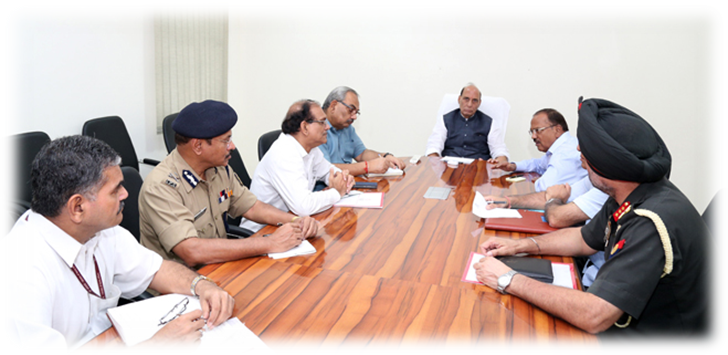
Prime Minister Narendra Modi publicly vowed that those responsible would face consequences. Home Minister Singh also placed direct blame on Islamabad, saying the evidence pointed to a well-trained, well-equipped assault force, and describing Pakistan’s continued backing of militant groups as a source of deep frustration.
The attack landed at a particularly volatile moment: Kashmir had already been convulsed for more than two months by unrest following the killing of militant commander Burhan Wani, with dozens dead in the ensuing protests. Some observers in Kashmir suggested the timing — just ahead of the United Nations General Assembly session — was a deliberate provocation meant to draw India into a visible retaliation and put Kashmir back in the international spotlight.
Aftermath
Ten days later, India responded with cross-border “surgical strikes” on terrorist launch pads in Pakistan-occupied Kashmir — a rare public acknowledgment of direct military action beyond the Line of Control.
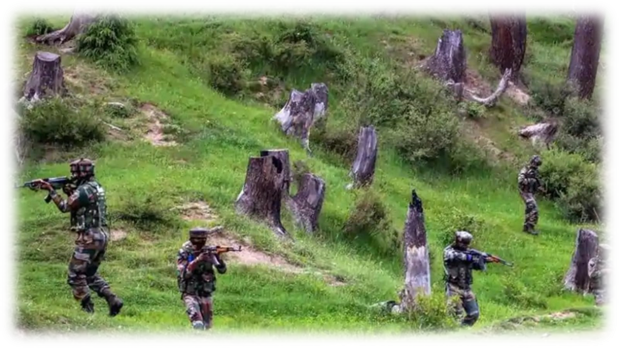
The retaliation, followed by a sustained diplomatic campaign that drew condemnation of the Uri attack from several countries, marked a broader shift in India’s counter-terrorism posture. But it was the events of September 18 itself — the breach of a heavily guarded Army base, the fire that turned a routine troop rotation into a mass-casualty event, and the questions it raised about cross-border terror networks — that defined the episode as one of the deadliest attacks on Indian security forces in decades.
